
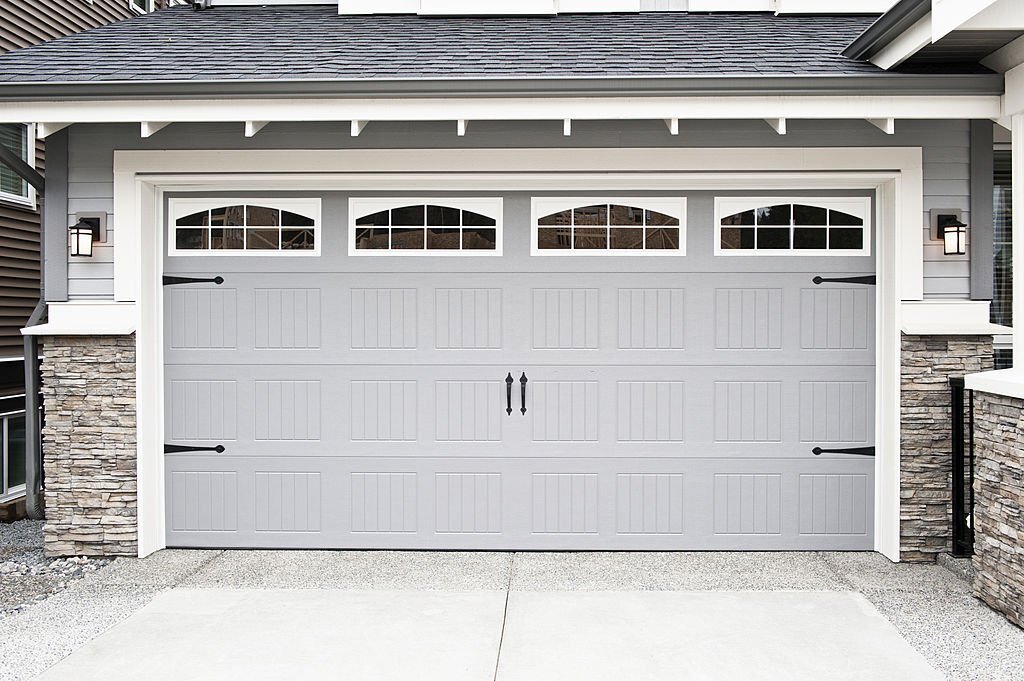

The Austin Homeowner’s Garage Door Maintenance Checklist
Did you know that there are 20,000 garage door-related injuries every year in the United States? Keeping your garage door properly maintained protects your home and helps prevent unnecessary injuries. People get hurt when they neglect their garage door maintenance. Injuries ranging from getting stuck in the garage to your door suddenly closing occur when you skip out on maintenance. Extreme weather in Austin that goes above 100°F and even our famous growing apart Austin soil causes garage doors to need maintenance. That is why this blog post will walk you through all the things you can do to maintain your garage door yourself. We will provide you with a detailed list of things you should be checking. From sensors to lubrication to loose hardware, we will tell you what you need to do to keep your garage door operating correctly for (hopefully) the entire time you live in your home.
Key Takeaways
- Inspect and maintain your garage door often to keep it operating safely Inspect and lubricate moving parts often.
- Dust and debris can wear out parts prematurely -especially in Austin with our hot summers
- Long-term preventative maintenance can add 5-10 years to the life of your garage door
- Austin clay and seasonal falling trees/debris from birds, etc. can be troublesome
Why Austin Garage Doors Face Extra Challenges: The Blackland Prairie Soil Factor
We have expansive Blackland Prairie clay soil if you live in Pflugerville, Manor, East Austin, or even some parts of South Austin. When it’s wet, it expands. When it dries out, it cracks:
Imagine this: it’s a hot August day, about 100 degrees. The soil dries up and causes your foundation to shift. Your garage frame moves a half inch and now your tracks aren’t square. Suddenly your door is jumping the tracks, grinding, or won’t open correctly.
Add our crazy temperature changes from cold nights to hot days to your hardware loosening up way faster than other places. This means:
- Loose hardware
- Tracks out of alignment
- Weather stripping falling apart
Safety First!
Always keep safety in mind when doing garage door maintenance. Here are a couple extra steps we take to keep us safe from injury.
Wear Protective Gear (Gloves, Safety Glasses)
Wear gloves. They can save your hands from sharp edges, pinched fingers, and harmful chemicals. Wear safety glasses. They can save your eyes from any flying debris.
Disconnect the Garage Door Opener
First, detach your garage door opener and pull the release cord. Try to open the door manually and make sure it is fully closed to prevent any accidents.
Use a Sturdy Ladder
Use a good ladder. Make sure the ladder you use can support your weight plus the weight of what you will be lifting (tools, parts, hardware, etc.). Always place your ladder on a flat level surface. Don’t overreach. Try to keep your waist within the ladder at all times. Have someone spot you, just in case.
Cleaning and Lubrication
Cleaning Parts
Cleaning key components on your garage door prevents dirt and debris from accumulating which can lead to premature wear and tear. Here in Austin, debris build up can be crucial with our seasonal mess.
- Tracks: Ensure there is no debris, dirt, or rust accumulating in your tracks. Spring means Live Oak tassels are falling in your tracks and Cedar pollen and debris build up occurs throughout the year-given our winters and early springs it can be excessive! Organic material provides a speed bump for your roller to hit causing your door to jerk, the cable to loosen, and your system to literally come off track. Use a soft clean rag and wipe down each section of your track individually, using a damp cloth.
- Rollers: Check the rollers for dust and grime. Use a soft brush to wipe away any loose dust or dirt.
- Hinges and Springs: Wipe down the hinges and springs with a soft towel. Be sure not to mess with any sharp pieces or edges.
Lubricate Moving Parts
Before you begin lubricating your garage door, find the components that require lubrication. These are your hinges, rollers and springs.
- Your hinges allow your garage door to swing up and down when you open and close it. If your hinges are squeaky or stiff, they need to be lubricated.
- Your rollers roll your door up and down the track. If your rollers make strange noises or aren’t rolling, they need to be lubricated.
- Springs balance out the weight of your garage door. When you lubricate your springs, it allows them to open and close quietly with less friction and squeaking sounds.
Make sure you are using a silicone-based garage door lubricant. Do not use WD 40 or grease (grease will only attract dirt). Also, lubricants tend to dry out faster in Austin with our brutal summer heat (90°F+) so we recommend lubricating your door every 3-4 months throughout the summer time months instead of just lubricating it twice a year like you would in other areas.
Testing The Door
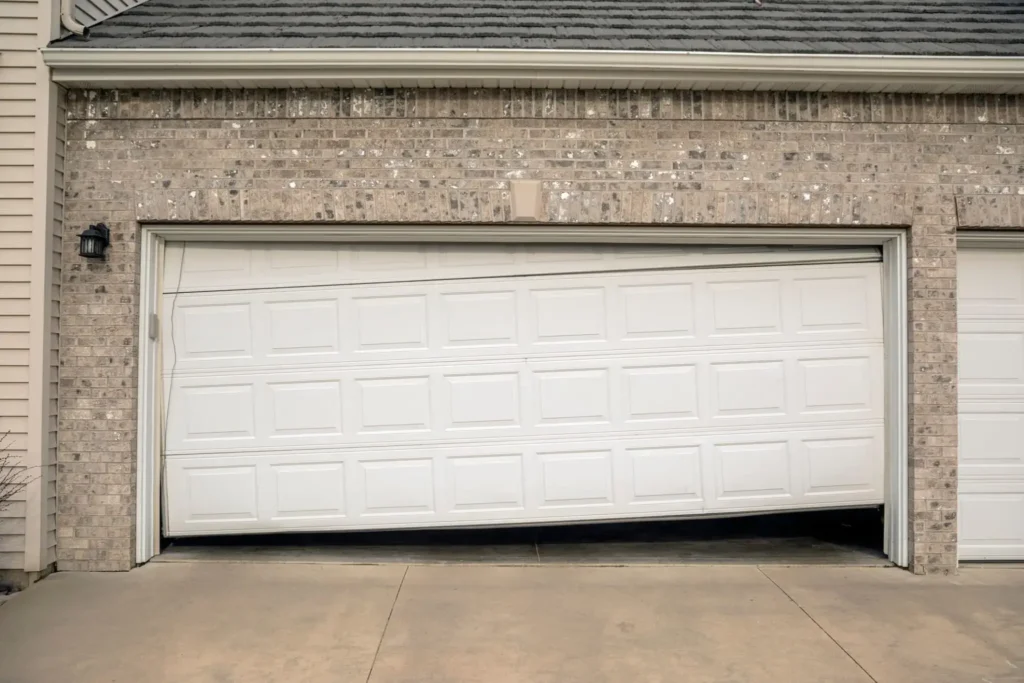
Conduct manual and automatic operation tests, check safety sensors, and evaluate limit switches.
Manual Test
Grab the door with your garage door disconnected from the opener and lift it. Once the door is halfway up it should lift smoothly and stay put. If it drops down or is hard to lift your springs or rollers may be bad.
Automatic Test
For automatic testing reconnect your garage door opener and observe how it opens and closes. If it hesitates or jerks while opening and closing, your rollers may be worn out or your track could be out of alignment.
Test Safety Sensor
Garage doors have sensors to keep them from closing when something is obstructing them. Grab something to place in the way of your garage door. Hold it in place with your hand and use your garage door remote to close your garage door. If your garage door automatically reverses your sensors are working correctly. If your door shuts completely, your sensors may need to be realigned or replaced. Sensors are safety feature so it’s good to test them frequently.
Test Limit Switches
The last thing we want to test is our limit switches. These switches help determine how far your door opens and closes. Locate the switches on your garage door opener unit. Now try opening and closing your garage door. If it has trouble stopping or closing you may need to adjust your switch.
Inspection and Tightening
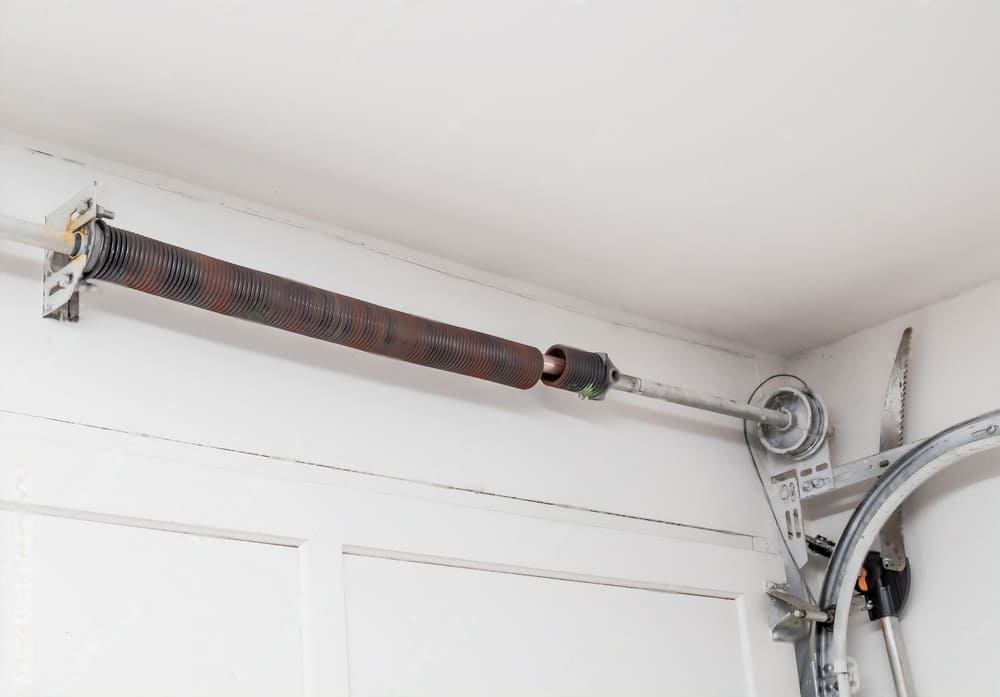
Inspect garage door panels for cracks, dents or other signs of damage or wear. Wooden garage doors can warp in Austin’s brutal heat and metal doors can expand creating openings in weather stripping. These issues can contribute to operational problems for your door and lead to larger problems down the road. Pay special attention to edges and corners since damage is most likely to occur in these areas. You may need to repair or replace panels if issues are found.
Check for Signs of Wear and Tear
Inspect garage door panels for cracks, dents or wear. Damage can interfere with operation and lead to larger problems down the road. Pay special attention to the panels’ edges and corners where damage is most likely to occur. Any damage should be repaired or panels replaced.
Inspect Springs, Cables, and Rollers
A garage door’s springs, cables, and rollers must be working correctly to operate correctly. We must inspect them closely for wear, like frayed cables or rusted springs. We should also check that the rollers move smoothly along the tracks. If any parts show significant wear, we should replace them ASAP to keep the door working safely and correctly.
Examine Garage Door Tracks
Tracks should be clean and aligned for your garage door to work properly. Look for objects in your tracks that can stop your rollers from moving smoothly down the track. Dirt, leaves, and as discussed previously Austin specific build up (Live Oak tassels in the spring and Cedar pollen) can build up in your tracks and cause your door to malfunction. Keeping your tracks clean will eliminate your garage door from becoming stuck. Tracks also should be aligned properly. Movement in our foundation due to our clay soil can cause your tracks to be out of alignment more often than if you lived somewhere other than Austin. Misaligned tracks can cause your garage door to have a hard time moving up and down the track which damages your garage door.
Hardware Tightening
Garage doors open and close roughly 1,500 times per year. Through all this use hardware can become loose. Extreme heat cycles and foundation shifting in Austin cause hardware to loosen even quicker. Tighten all bolts, screws, and fasteners with a wrench. Take the extra step to check your tightened hardware often. Loose hardware can cause accidents and make your door function improperly.
Door Balance Test
Detach your garage door opener and use your hands to lift your door halfway. If it remains in place without falling or rising, then your door is balanced. If it falls back down or rises up, your springs need to be adjusted.
Garage Door Opener Maintenance
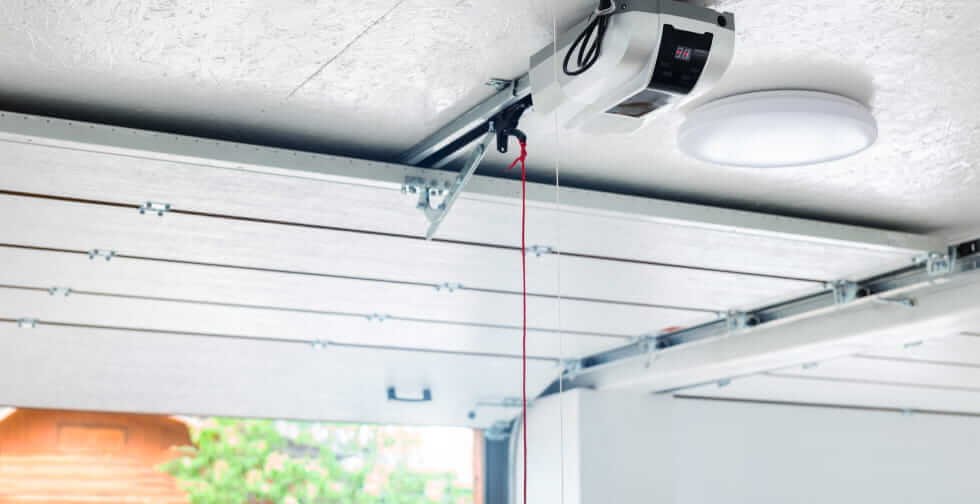
Occasionally, parts of your garage door opener will go out such as the mechanism, remote controls or sensors. Maintaining these can help your door open and close smoothly.
Opener Mechanism
Make sure to inspect your opener’s mechanism for wear and tear. Look over its gear and belt for any damage. Lubricate these to prevent friction and help your door rise and lower quicker. Test your opener by putting a small object under your door and close it. This will test the opener’s safety reverse feature. Inspect wiring and make sure there are no frays or loose connections. Tighten any loose screws.
Remote Controls and Sensors
The first thing you should do is replace the batteries in your remote controls once a year. If your door randomly opens, your batteries could be going weak. Next, check out the garage sensors at the bottom for any dust or debris. Wipe the sensors down with a damp cloth and make sure they’re aligned with each other. Finally, your emergency release cord should be tested often. This cord will allow you to open your door if your garage door opener breaks.
Regular Maintenance Tips
In order for your garage door to run smoothly, you should follow a regular maintenance schedule. Learn how often you should inspect your garage door, benefits of professional inspections, and how to fix common problems.
Recommended Maintenance Schedule
Austin-Specific Schedule:
- Monthly (Especially May-September):
- Look for any signs of wear or tear.
- Check tracks, springs, and rollers for debris —particularly Live Oak tassels and Cedar pollen.
- Test automatic door opener.
- Check track alignment due to potential foundation shifts.
- Every Three-Four Months (During Summer):
- Lubricate hinges and rollers (more frequent than standard due to heat).
- Every Six Months:
- Check all sensors for any debris and double-check that they’re aligned properly.
- Tighten loose hardware —critical due to Austin’s soil movement.
- Open and close garage doors by hand.
- Annually:
- Do a full inspection of the garage door.
- Look for signs of rust or alignment issues from our humid summers and temperature extremes.
- Change garage opener’s batteries.
How to Address Common Garage Door Problems
- If your garage door makes too much noise:
- Tighten any loose hardware.
- Lubricate all moving parts.
- If your garage door has a hard time moving up and down the track:
- Gently adjust the tracks so that they’re aligned.
- If your door fails to open or close:
- Follow this checklist
- Consider calling a professional garage repair company
When to Hire a Professional Garage Repair Company
Sure, you can probably take care of some basic garage door maintenance yourself. But you should still have your garage door inspected by a professional. A trained garage door technician will be able to identify problems and imminent dangers. Issues like broken springs, worn cables and more. You could have an older style track system in your historic Craftsman in Hyde Park. You might be built brand new in Dripping Springs and have settling foundation issues. Maybe you just live somewhere in between, say Pflugerville, and want to combat our wonderful clay soil heaving. We’ve seen every type of garage door problem in Austin. So we suggest having a technician inspect your door at least yearly. You can avoid costly repairs by identifying issues before they become larger problems.
Things Austin homeowners should pay particular attention to:
- Joist movement from foundation shifts affecting track alignment.
- Hardware loosening more quickly due to thermal cycles.
- Dry lubricants that need frequent reapplication.
- Buildup from our indigenous trees.
Don’t Let the Austin Elements Win
If we take care of our garage doors now we can prevent expensive repairs in the future and keep our garage doors working for years to come. The Austin weather really wears on garage doors. From the intense heat to the foundation-heaving clay soil to the swirling piles of pollen and falling cedar crap in Spring and Fall. Taking a few minutes to perform maintenance on your garage door can prevent future problems. Use this handy checklist to remember when to perform what maintenance task. From lubricating moving parts to performing a visual inspection to quarterly door testing by hand. If you have any questions or run into any issues you can always count on your local garage door professionals to provide a second opinion and handle any garage door repairs.

