

Why Austin’s Climate Is Hard on Garage Door Springs — And What to Do About It
Garage doors are a critical security measure for every home, but keeping those doors operational is a race against time for garage door springs. Typically rated for 10,000 cycles, the springs constantly open, close, and eventually break. Knowing this helps us maintain our garage doors and prevent surprises.OK, but what reduces that lifespan? What causes Texas — and specifically Austin — climate to be so tough on your springs? Understanding why springs fail can help you prevent a painful (and costly!) shock in the future.
Springs fail due to improper maintenance, environmental wear and tear, and incorrect installation. Texas homeowners deal with all of these issues, but Mother Nature is number one. Take advantage of these maintenance tips to prolong spring life, secure your home, and keep your garage up and running year-round.
Temperature Changes Have Springs Breaking a Sweat
Have you ever noticed how Austin’s weather can swing 40 degrees in a day? If you’ve lived in Texas long enough, it’s not uncommon to fry in the 100°F summer heat one day, then watch the temperature drop by half overnight when a Blue Norther hits town.
Those wildly swinging temps do the same thing to metal springs. When heated, metal expands. When cooled, that same metal contracts quickly — and puts added tension on your garage door springs.
Whether you live on the exposed, windy plains of Hutto and Manor or the protected residential streets of South Austin these dramatic pressure and temperature changes affect every garage door in Central Texas alike.
These metal “cycles” are separate from your garage door cycles. You can think of them as stress fractures in the metal that weaken with age. Spring coils expand and contract day in and day out, developing tiny cracks each time Austin weather sees a drastic temperature change. Over time, those micro-fractures add up. Too many hot-and-cold swings can cause your springs to snap — even before they reach 10,000 cycles.
Why Spring Breakage Occurs
Age + Wear and Tear
No mechanical device lasts forever, and your garage door springs are no exception. Garage springs typically last 7–14 years. Your habits of opening/closing your door and how well you maintain it affect this. Springs are under tension any time you open your door. Metal weakens over time from this constant flexing, which makes breakage inevitable. With proper maintenance, you will be able to see weak spots before they break.
Wrong Installation
Garage doors require professional installation (ideally). Incorrectly installed springs can cause an improper ‘wind’ on the spring (height) or lead to future misalignment. Both situations put excess stress on the spring itself and lead to breakage. Always have a qualified technician install your springs and verify proper tension.
Overuse and General Stress
Summer has arrived in Central Texas: our spring months just experienced their longest period of extreme heat and temperature fluctuation. Household garage door lubricants dry out quicker in temperatures in the triple digits, causing your springs to bind with each open and close cycle. Lubricate your springs before summer arrives.
This is pretty common here in high growth areas such as Georgetown and Leander. Branded new garage doors are being replaced several times a day because new families are moving in and unloading. Triple digit heat and constant use equals a broken spring.
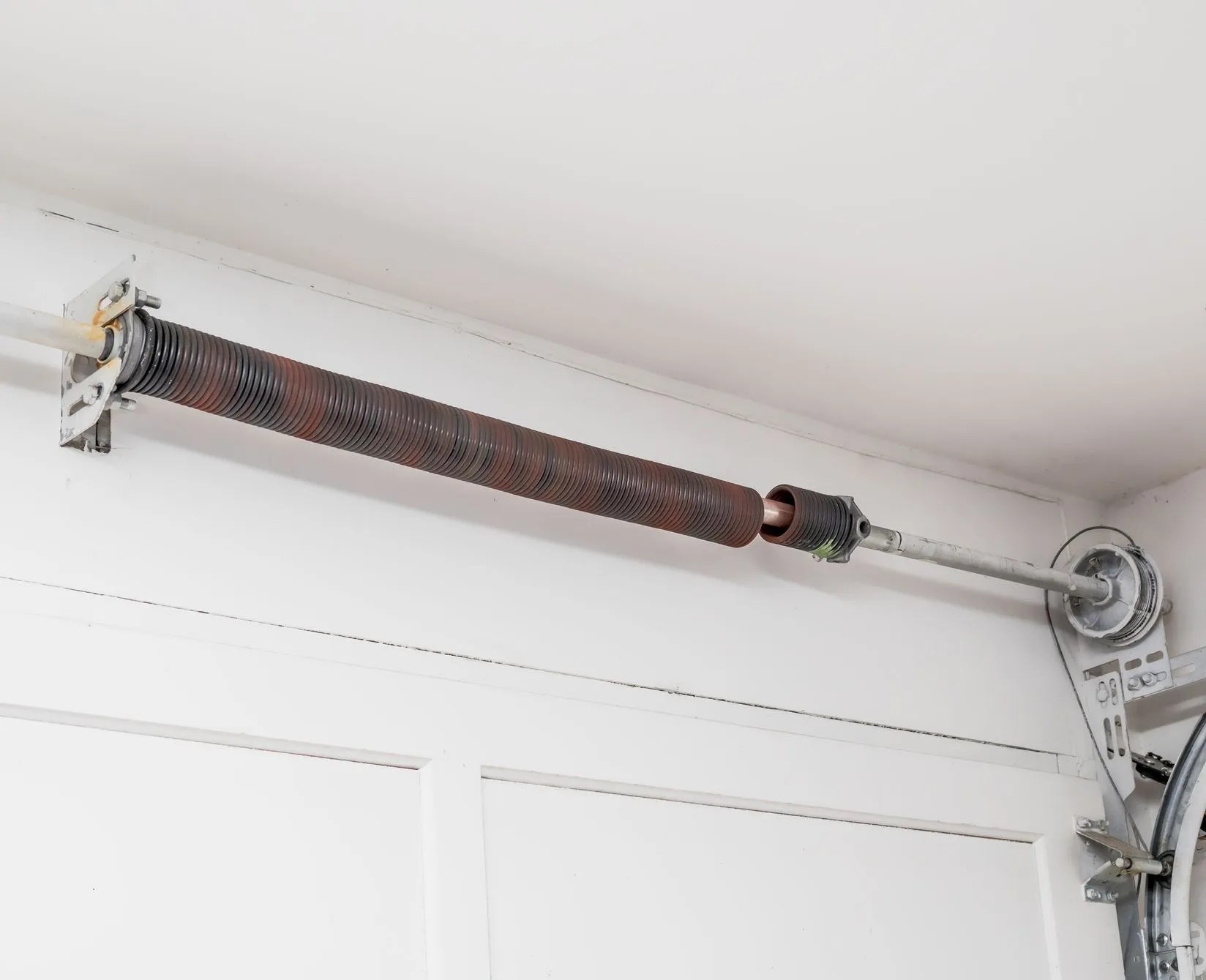
Humidity stored inside these springs during our spring months causes surface rust on your springs. When winter arrives — specifically January, which has the widest range of temperatures — that surface rust fractures the coils. As the coils contract with freezing temperatures, weakened springs break under the stress. Rust built up during summer, plus a drop in temperature in winter leads to many of our garage door breakage calls here in Austin.
Extreme Weather Events
While we talk about heat and cold a lot, other forms of extreme weather impact your springs.
- Cold makes the metal brittle
- Heat can warp springs if they expand too much
- Rain creates moisture that allows rust to take over
Balance Garage Door Weight
If your garage door is unbalanced (worn-out rollers, track damage, etc.) it can put excess stress on your springs. Make sure your door properly balances on its own, and check the other components are in working order.
Signs You Have a Broken Garage Door Spring
Spring issues should be caught early. Let’s look at some symptoms that your springs may be broken or worn out. Here are a few warning signs to look for – specifically for Austin homeowners!
- “The Gunshot” When it Freezes: Broken springs often snap loudly – and many people wake up to sounds of gunfire in their garage the first freeze of the year in Austin. If you don’t have an actual gunman shooting up your garage, that “loud pop” sound can mean your spring is broken.
- “It Suddenly Became Heavy” in August: Springs lose tension when metal expands in the summer heat. If you try to open your garage door and it feels heavier than normal, don’t ignore it. That problem will only get worse.
- Noise: If you hear banging, clanging, or squealing each time you open your garage, something is wrong with your springs.
- Uneven Movement: Slow movement and stuttering are also indicative of spring problems.
- Operates Too Manually: Difficult-to-open doors might signal spring issues. Try lifting the door up manually. If it’s hard to lift by hand, your springs may be worn or broken.
- Visible Signs of Damage: Check the springs for visible signs of gaps, breaks, and rust.
- Garage Opens/Halts at Bottom: If your door opens, but suddenly halts at the bottom, spring failure is the most likely cause.
Spring Maintenance Tips For Texas Homes
Most people recommend yearly maintenance on your garage door springs. Texans should take advantage of season-changing maintenance twice a year. Inspect your springs before summer and before winter with these easy tips:
March: Lubricate, Lubricate, Lubricate
Before those 100-degree days hit, take the time to lubricate your spring coils (along with all other moving parts and rollers). A good lubricant will keep your springs from binding up in the heat and will help your garage run smoothly throughout the summer.
October: Check For Rust
Spring = rust in Texas. Spring months leave dormant garage doors vulnerable to rust spots on spring coils. Check your springs before that cold weather hits and contracts the metal.
Annual spring checkups are great — but springing into action before temperature changes occur can save you time, money, and a broken spring.
Keep Austin Humidity in Mind, No Matter the Neighborhood
Spring problems affect homeowners in Pflugerville, new builds with 16-foot tall wood-overlay doors and old 7-foot Screen-Social doors in Tarrytown. Regardless of your home’s age or door style, your springs combat the same extremes.
Newer doors often weigh more than your standard spring is built to handle. Heavier doors put more stress on springs. Older doors may have decades of spring metal fatigue and wear. Either situation can cause early spring failure.
Let the Pros Inspect Your Springs
Two Brothers Garage Doors offers free garage door spring inspections across Central Texas. Leave the yearly maintenance to professionals who have seen (and fixed) every type of spring problem Texas can throw at your garage door. Schedule an inspection with our team today and get back to enjoying life in Austin.
DIY Danger: Don’t Try This at Home
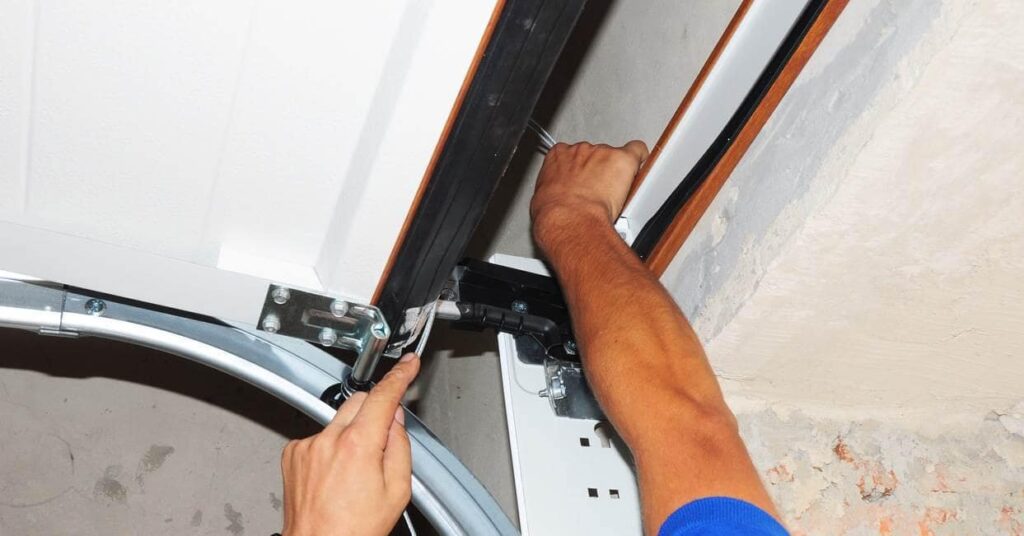
When it comes to garage door spring repair, DIY maintenance is NEVER recommended. Spring repair is extremely dangerous for the following reasons.
- Tremendous Tension: Garage door springs are very tightly wound and put out tremendous tension on the metal coil. One wrong move and you’ve got a serious problem.
- Severe Injury: Homeowners can experience severe injury (even blindness) when attempting DIY garage door spring repair.
- Further Damage: When not done correctly, you can do more damage to your garage door system, making the problem cost you more to fix.
- Warranty Issues: DIY repairs and maintenance can cause you to void any warranty that may be attached to your garage door system.
Get Ready For Summer (& Winter)
Garage door springs aren’t made to last forever. High temps in the summer and cold temperatures in the winter wreak havoc on your springs throughout the year in Texas. Lubricate your springs before summer and check for rust before winter to maintain your springs and prevent future unnecessary expenses.
Nobody enjoys a breakdown, especially when it’s 105 degrees in July. Don’t let spring failure ruin your weekend. We provide same day or next day spring repairs to our customers all over Cedar Park, Lakeway, Bee Cave, and Temple. Give Two Brothers Garage Doors a call today to hear about professional safe repairs and discuss options to upgrade your springs to High-Cycle to better accommodate your hectic lifestyle.

