
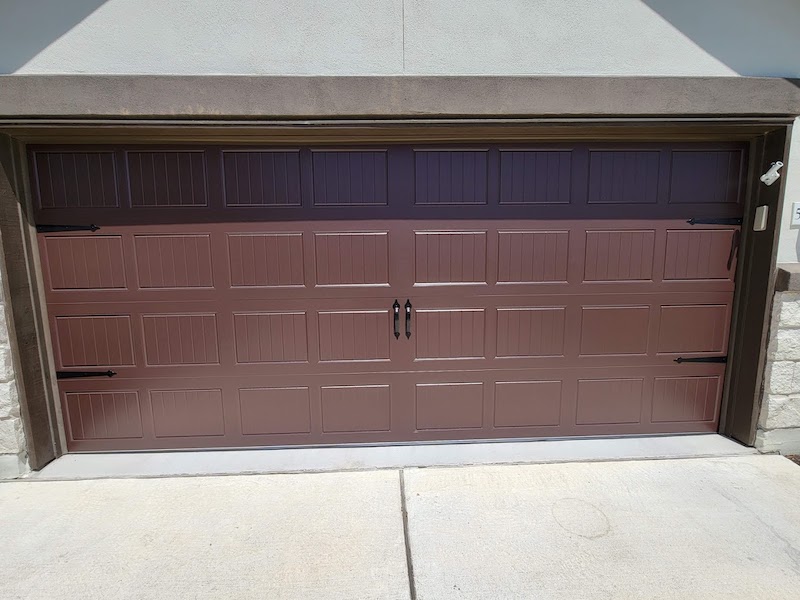

Garage Door Getting Stuck? Let’s Get it Back On Track
Few things are more aggravating for an Austin homeowner than rolling into the driveway after a long day of traffic on MoPac or an exhausting afternoon of fun in the sun at Zilker Park only to find the garage door stuck. We often take our garage door for granted, but it is one of the most essential parts of our home’s security.
When things go wrong with your garage door, you may be able to identify the problem and even do the repair yourself before calling in the professionals. In this guide, we will explain the reasons a garage door can become stuck, how you can get it moving again, and when to call in an Austin expert.
Safety First When Dealing with a Stuck Garage Door
Before we begin, let’s be clear on one important point: There is an inherent safety risk when performing any type of troubleshooting on your garage door. You may be able to safely do a minor repair, but if you don’t feel 100% comfortable doing it yourself, it is always better to make a quick phone call to a professional rather than risk your own safety or that of your family.
Common Reasons Garage Doors Get Stuck in Austin
As we have seen from hundreds of customers in the Austin area, diagnosis is 50% of the battle. The door can get stuck for a variety of reasons, from obvious causes to very simple fixes. With a little time and research, you can often get your door back on track and into action. Here are the most common reasons why garage doors get stuck in Austin:
The Door is Locked
This one is so simple, we often forget it, but if the door isn’t moving at all, check to see if it is manually locked. You have a little red handle sticking out below your door, and you can manually lock and unlock it.
Sensor Malfunctions
Garage doors these days come with a sensor that will not allow the door to close if there is an object in the way. If the sensors are misaligned or if Austin’s dust and pollen have coated the lenses, they won’t work
Broken or Loose Cables, Tracks, or Rollers
Garage door cables, tracks, and rollers allow the door to glide up and down. If they break or become loose, the door can fail to open or close all the way.
Tracks or Rollers Need Lubrication
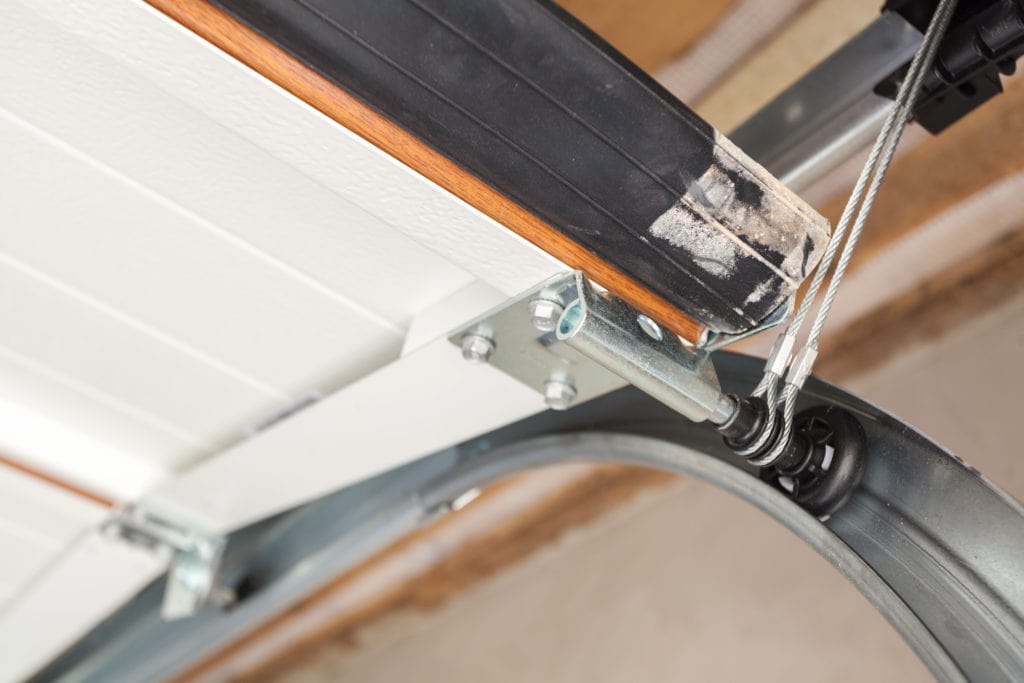
Dry or dirty rollers or tracks can make the garage door seize up.
Bent Tracks
Bent tracks will cause the rollers to become misaligned and prevent the door from rolling smoothly.
Broken Springs
Garage door torsion and extension springs are what counterbalance the door’s weight. If one breaks, the door will not move because there is no longer any counterbalance against the door’s weight.
DIY Fixes to Try Before Calling the Garage Door Repair Company
If you feel comfortable using basic tools and you are not afraid to get your hands a little dirty, there are many common repairs and adjustments you can do yourself.
Clear the Tracks
There may be a physical object (such as pebbles or debris) in the way of the door. Pull them out of the tracks, then test the door, but never force it.
Align the Tracks
You can usually fix them by hand, but if they are only slightly off-track, you can push them back into place with a little muscle and use a level to make sure they are all straight.
Garage Door is Locked
Sometimes, the door may simply be locked. In this case, you can disengage the lock following the manufacturer’s instructions. Usually, you can pull the emergency cord hanging from the opener and the lock disengages.
Testing Sensors
Clean the sensors and check the alignment. You can check to see if they work by holding a broomstick through the door’s path. The garage door should stop as the broomstick crosses the sensor beams. Adjust them until the beam is clear and the door is moving smoothly.
Lubricating Moving Parts
Apply a silicone-based lubricant on rollers, tracks, hinges, and springs. Lubrication reduces friction and can prevent more serious damage from developing, and this is especially true in our high-heat Austin summers.
When to Call an Austin Garage Door Expert
For some repairs, it is just too dangerous to attempt a do-it-yourself solution. It’s time to call a professional if:
- The tracks are seriously damaged or completely bent.
- Garage door springs are visibly broken.
- The garage door opener is not working properly.
- The repair requires disassembly of high-tension springs which can be extremely dangerous.
Always call an garage door repair expert if you are not sure. Professionals will always charge a small diagnostic fee if they have to come out and do nothing, but they will get the job done quickly and safely, which will save you money in the long run, and more importantly, protect your home from further damage.
Garage Door Maintenance Tips
Regular, routine maintenance will not only extend the life of your door, it will help keep you from experiencing these aggravating breakdowns in the first place:
Visual Inspections
Look for loose parts, damaged tracks, or unusual sounds.
Tighten Loose Parts
Periodically, opening and closing the door can loosen parts and connections. Inspect the hardware and tighten anything that looks loose.
Lubrication
Apply a silicone-based spray lubricant to all moving parts to help reduce friction.
Keep Tracks Clear
Look for debris that can obstruct the rollers and remove it.
Professional Check-ups
Have a professional inspect the system once a year. They can often spot problems before they become more serious and expensive to fix.
Keep Austin Moving: Your Path to a Seamless Garage Door
The garage door is an often overlooked, but essential, part of our home that requires regular attention and maintenance. If your garage door is stuck in the up or down position, you can learn the reasons behind the problem and often be able to fix it yourself. There are always simple explanations for most problems, but it pays to know when to call in the professionals before any further damage occurs.
If you would like me to create a custom maintenance checklist for you to print out and keep in your garage, just let me know.

